Water Extraction in El Monte, CA
Standing water on a slab floor spreads under baseboards, cabinets and flooring within hours. The extraction crew pulls it out with truck-mounted suction so drying can start the same visit.
(888) 578-6508Pull the water out now in El Monte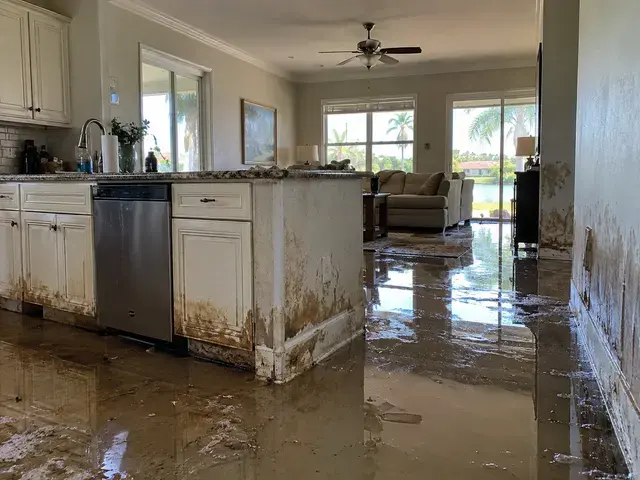
First steps while water is still on the floor
- 1
Stop the source
Close the fixture valve or the main shutoff so no new water joins what is already on the floor.
- 2
Cut power to wet rooms
Switch off those breakers only if the panel is dry and you are standing on a dry surface.
- 3
Photograph it
Take photos of the water line on walls and furniture before anything is moved.
- 4
Lift what you can
Move rugs, electronics and papers up and put foil under furniture legs.
What does water extraction cost in El Monte, CA?
In El Monte, CA, water extraction and the drying that follows typically run $600 to $4,500, depending on how many rooms are wet, how deep the water got and whether pad or drywall has to come out.
One room, caught early
$600 to $1,400- Surface water on tile or carpet
- Pad lifted if soaked
- Two to three days of drying
Several rooms
$1,400 to $3,000- Water under baseboards
- Lower drywall opened
- Daily moisture logs
Whole unit or house
$3,000 to $4,500+- Flooring removed
- Cabinet toe kicks opened
- Longer equipment run
The drivers are the water category, the square footage, the material class and how fast drying started. For a planning range, try the water damage cost calculator.
How water extraction is handled in El Monte
- 1
Map
The tech maps wet areas with pinless meters and thermal imaging.
- 2
Extract
The extraction crew pulls standing water with truck-mounted suction and weighted tools.
- 3
Set drying
Air movers and LGR dehumidifiers go in, sized to each room.
- 4
Verify
Readings are logged daily until every material meets the drying goal.
Most El Monte homes sit on concrete slabs, so water from a failed supply line or an overflowing tub has nowhere to drain. It spreads flat across tile, laminate and carpet, slips under baseboards and wicks up the bottom of drywall and cabinet sides. The longer it sits, the more of the house turns from a mop-up into a rebuild. Extraction is the step that decides how much can be dried in place.
Why extraction comes before any fan
An air mover can only evaporate water that is already out of the pad and off the slab. Every gallon left behind has to be pulled out as vapor by a dehumidifier over several days. The extraction crew removes the bulk of it as liquid in an hour or two instead, which is faster, cheaper and far less likely to warp flooring. Industry drying practice under the IICRC S500 treats extraction as the single most effective step in the whole dry-out.
The tools that pull the water out
- Truck-mounted extraction units with long hoses, so the water leaves the building instead of filling a shop vac by the door
- Weighted and stand-on extraction tools that squeeze water out of carpet and pad
- Floor squeegee wands for tile, laminate and bare slab
- Submersible pumps where water stands deeper than a few inches, such as a sunken living room or a garage unit
In apartment and condo buildings, portable extractors reach upper floors where a truck hose cannot, and the crew works the unit below at the same time.
What happens right after extraction
The tech who does the walkthrough maps moisture with pinless meters and thermal imaging to see where the water went under flooring and inside walls. Soaked carpet pad usually comes up, since it rarely dries well. Air movers and LGR dehumidifiers go in sized to each room, and readings are logged daily until materials reach the drying goal. That goal is the same one used for structural drying: materials within 2 to 4 points of a dry reference.
Useful references
The Ready.gov flood page covers electrical safety around standing water, and the California Department of Insurance explains how water damage claims are handled in the state.
Water still standing on the floor or under the cabinets? call (888) 578-6508
Where water extraction is handled around El Monte
The El Monte restoration crew works ZIP codes 91731, 91732, 91734 and 91735, from Flair Park and the Valley Boulevard corridor to Norwood Village and the Peck Road side, plus South El Monte, Rosemead, Temple City and Arcadia next door.
See every neighborhood coveredRelated water damage services in El Monte
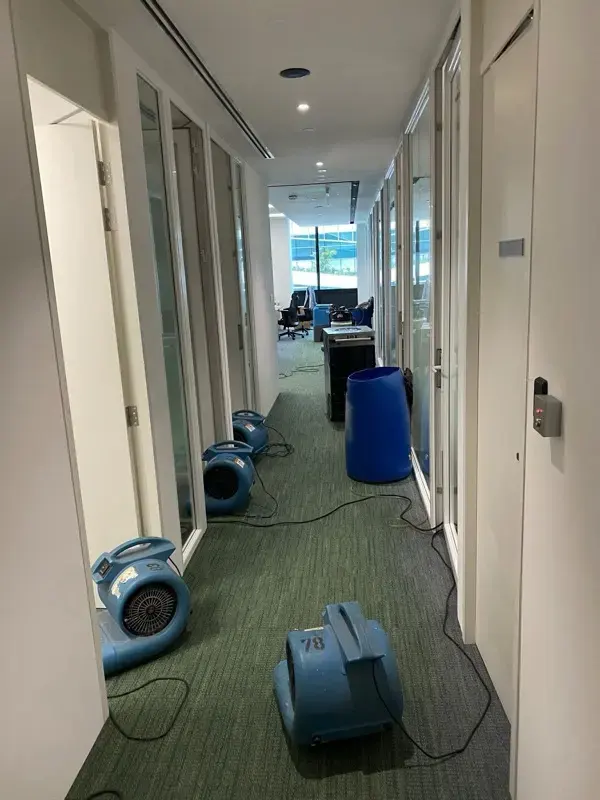 Structural Drying and DehumidificationAir movers and LGR dehumidifiers run until readings reach the drying goal.
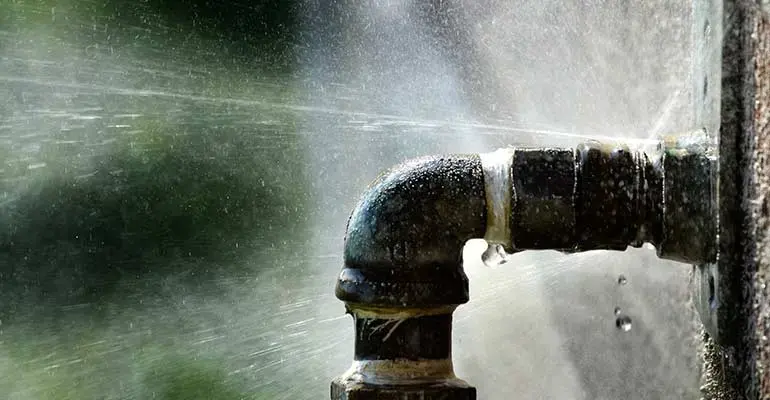 Burst Pipe CleanupSplit galvanized or copper supply pipe, extracted and dried inside the wall cavity.
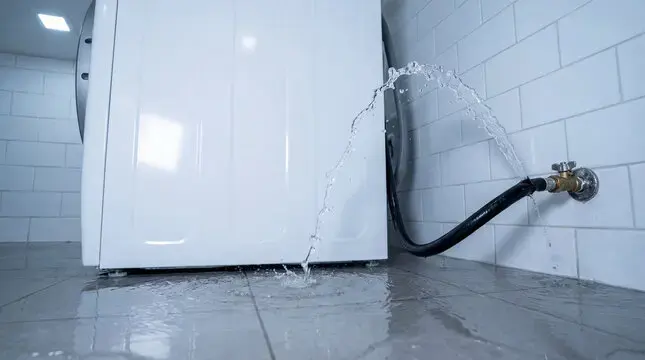 Appliance Leak Water DamageWasher hoses, fridge lines and dishwasher feeds that fail under pressure.
Water extraction questions in El Monte
How fast does standing water need to come out?
As soon as possible. Clean water starts wicking into drywall and cabinets within hours, and mold can start inside 24 to 48 hours. The earlier the extraction crew removes it, the more material dries in place.
Can a shop vac do the same job?
A shop vac helps with a small spill, but it pulls little water out of carpet pad and cannot reach under flooring. Truck-mounted extraction and weighted tools remove far more water per pass.
Does wet carpet always have to be thrown out?
Not always. Carpet over clean water caught early can often be dried in place, but the pad underneath usually comes out. Carpet touched by Category 3 water is removed.
What floors are hardest to extract in El Monte homes?
Laminate and floating vinyl plank over a slab trap water underneath, so they often come up. Glued tile usually stays, but the grout lines and baseboards still get checked.
Is extraction covered by insurance?
Sudden and accidental water, like a burst supply line, is commonly covered, while outside flooding falls under flood coverage. Coverage depends on your policy, so it is worth checking with your own insurer.
What happens after the water is out?
The restoration team maps moisture, removes what cannot be dried, sets air movers and dehumidifiers, and logs readings daily until the drying goal is met.
Water standing in an El Monte home?
The extraction crew pulls the water, the drying team runs equipment to the S500 goal, and every reading goes into your claim file.