Structural Drying and Dehumidification in El Monte, CA
Surface dry is not the same as structurally dry. The drying team dries framing, slab and subfloor to a measured goal, and the equipment stays until the readings say dry.
(888) 578-6508Get the El Monte dry-out moving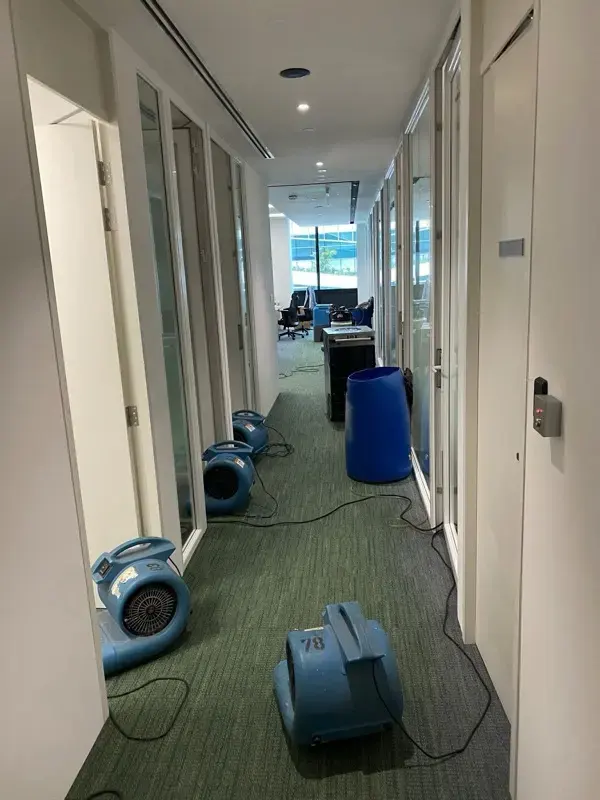
First steps before the drying equipment goes in
- 1
Stop the water source
Make sure the leak is repaired or shut off before drying starts.
- 2
Leave the equipment on
Air movers and dehumidifiers work around the clock; switching them off slows drying.
- 3
Keep windows closed
Outside air can add humidity, so the drying team controls the air inside.
- 4
Clear a path
Move belongings away from wet walls so air can reach them.
What does structural drying cost in El Monte, CA?
In El Monte, CA, structural drying typically runs $1,200 to $6,000, depending on how many rooms need equipment, the class of materials and how many days the equipment runs.
One or two rooms
$1,200 to $2,200- Class 1 or 2 materials
- Three to four days
- Daily moisture logs
Several rooms
$2,200 to $4,000- More equipment
- Wall cavity drying
- Four to five days
Dense materials
$4,000 to $6,000+- Slab, hardwood or plaster
- Desiccant units and mats
- Longer equipment run
The drivers are the water category, the square footage, the material class and how fast drying started. For a planning range, try the water damage cost calculator.
How structural drying is handled in El Monte
- 1
Map
The tech maps wet materials and takes a dry reference reading.
- 2
Place
Air movers and dehumidifiers go in, sized to each room's class of loss.
- 3
Monitor
The drying team logs temperature, humidity and material readings daily.
- 4
Verify
Equipment comes out only when every material meets the drying goal.
Structural drying is the part of a water loss that decides whether the house is really dry or just looks dry. Drywall can feel dry on the surface while the bottom plate, the subfloor or the slab under it still holds water. Left that way, the building grows mold, flooring cups and paint peels weeks later. The IICRC S500 sets the drying standard the restoration trade works to.
Moisture mapping first
The tech who does the walkthrough maps every wet material before equipment goes down, using pinless meters, pin meters and thermal imaging. A reading is also taken in a dry, unaffected area of the same building. That dry reference is the target: wet materials are dry when they read within 2 to 4 points of it.
Sizing the equipment
- Class 1 to 4 describes how much water and how much evaporation load a room carries
- Air movers are placed along wet walls and across wet floors to keep air moving over every surface
- LGR dehumidifiers pull the evaporated water back out of the air
- Desiccant dehumidifiers and drying mats handle dense Class 4 materials such as slab, hardwood and plaster
- Wall-cavity and cabinet injection systems push air into spaces that fans cannot reach
Daily readings and the drying log
The drying team checks temperature, humidity and material readings every day, adjusts or moves equipment, and records it all in a drying log. Equipment comes out when the readings reach the goal, not on a set date. That log, with the moisture map and photos, is what an adjuster looks at in the claim file. The EPA publishes indoor moisture information, and the California Department of Insurance covers claims.
Wet walls or floors that need drying to a real reading? call (888) 578-6508
Where structural drying is handled around El Monte
The El Monte restoration crew works ZIP codes 91731, 91732, 91734 and 91735, from Flair Park and the Valley Boulevard corridor to Norwood Village and the Peck Road side, plus South El Monte, Rosemead, Temple City and Arcadia next door.
See every neighborhood coveredRelated water damage services in El Monte
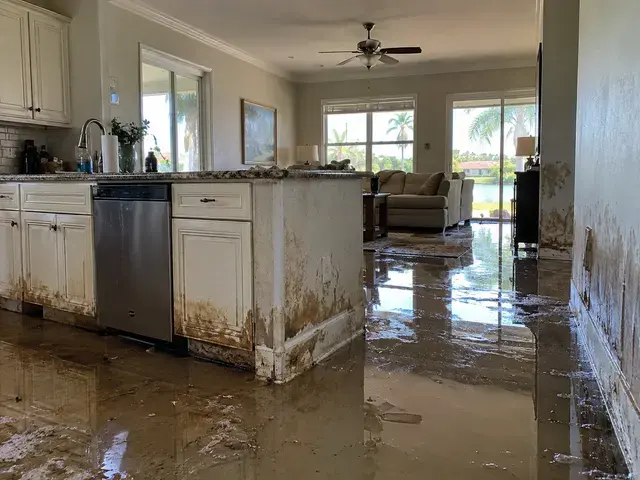 Water Extraction and RemovalTruck-mounted extraction pulls standing water before it wicks into walls and cabinets.
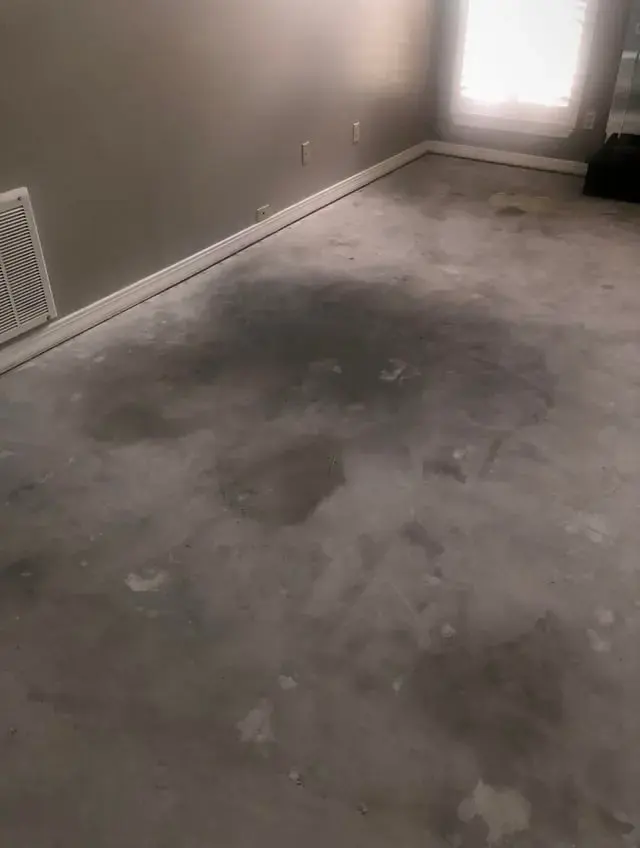 Slab Leak Water DamageHidden leaks under post-war slabs, traced with thermal imaging and dried to a reading.
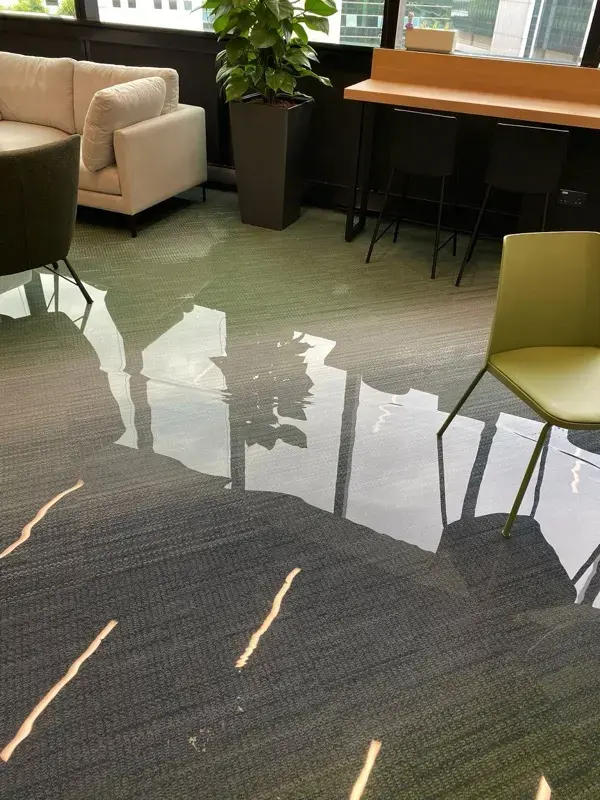 Commercial Water Damage RestorationOffices, shops and restaurants along Valley, Garvey and Flair Park, dried with less downtime.
Structural drying questions in El Monte
What does structural drying mean?
Drying the building itself, framing, subfloor, slab and wall cavities, to a measured goal, not just drying what you can see or touch.
What is a dry reference?
A reading taken in an unaffected area of the same building. Wet materials are dry when they read within 2 to 4 points of it.
Why are dehumidifiers needed as well as fans?
Fans evaporate water into the air. Without dehumidifiers, that moisture stays in the house and soaks back into other materials.
How long does structural drying take?
A contained Class 1 or 2 loss usually dries in three to five days. Slabs, hardwood and plaster take longer.
Can I turn the equipment off at night?
It is better not to. Drying runs around the clock, and turning it off lets moisture settle back into materials.
Why is the drying log important?
It shows the adjuster when drying started, what equipment ran and when each material reached the goal, which supports the claim.
Need an El Monte home dried properly?
The drying team maps the moisture, sizes the equipment to the loss and keeps it running until the readings say dry.